Legal Claims Arising From Property Hazards
Premises Liability in Leesburg for injuries caused by slip and fall incidents, inadequate security, and dangerous property conditions
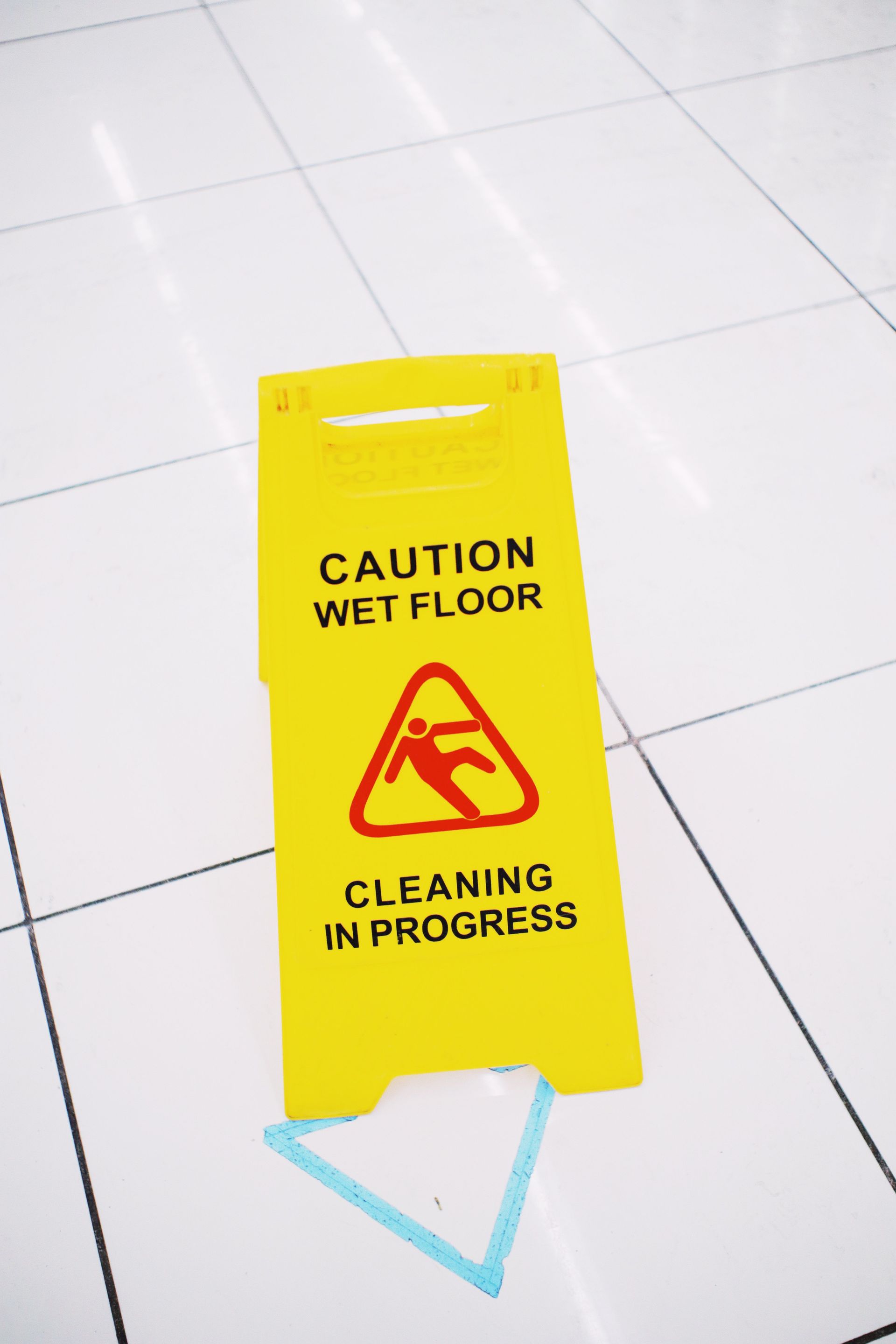
Property owners and occupiers owe visitors a duty to maintain reasonably safe conditions and to warn of hazards that are not obvious, yet slip and fall accidents, assaults resulting from negligent security, and injuries caused by unsafe property conditions occur when these obligations are neglected. Meeks and Cannon, P.C. represents individuals injured on commercial properties, retail establishments, rental housing, and other premises in Leesburg where hazardous conditions caused falls, where inadequate lighting or broken security systems allowed violent crime, or where structural defects, unmaintained walkways, or other dangers led to serious harm. Premises liability claims arise from wet floors without warnings, uneven pavement or broken stairs, poor lighting in parking areas, lack of security personnel or surveillance in high-crime locations, and failure to repair known hazards despite prior complaints or incidents.
Liability depends on whether the property owner knew or should have known about the dangerous condition and failed to address it, whether the hazard was open and obvious to visitors, and whether the injured person was lawfully present on the property as an invitee, licensee, or trespasser, with different duties owed to each category.
Schedule a consultation to discuss the circumstances of your premises injury and whether the property owner's conduct supports a legal claim.
What Premises Liability Cases Demand for Proof
Slip and fall cases require evidence that the hazardous condition existed long enough for the owner to discover and remedy it through reasonable inspections, or that the owner created the hazard through their own actions or those of employees. Documentation includes photographs of the fall location showing the hazard, incident reports filed with property management, maintenance logs revealing prior complaints or knowledge of the condition, and witness statements corroborating what caused the fall. In retail settings, the time between a spill occurring and the fall becomes critical to whether the owner had constructive notice of the danger.
Negligent security claims arise when property owners fail to implement reasonable safety measures in areas where criminal activity is foreseeable based on prior incidents or known crime patterns. Representation evaluates whether the property had adequate lighting, functioning locks, security cameras, alarm systems, or personnel given the nature of the location and history of criminal events. When assaults, robberies, or other violent crimes occur due to these failures, injured parties may recover damages for medical treatment, lost income, and the trauma resulting from preventable attacks.
Unsafe property condition cases encompass structural failures such as collapsing stairs or railings, falling objects due to improper storage or shelving, exposure to toxic substances, and failures to address code violations. These claims often involve expert testimony on building standards, inspection requirements, and what reasonable property management practices would have revealed or prevented. The firm handles discovery to obtain maintenance records, inspection reports, prior incident histories, and internal communications showing awareness of hazards that went unaddressed.

Clients injured on another's property often have questions about whether they have a valid claim and what evidence strengthens their case.
What evidence is most important to preserve after a slip and fall?
Immediate documentation includes photographs of the exact location showing the hazard, the surrounding area, and any warning signs or their absence, medical records detailing injuries and treatment received, clothing and shoes worn during the fall, and contact information for any witnesses. In Leesburg commercial properties, obtaining surveillance footage before it is overwritten is critical, often requiring prompt legal action to preserve the evidence.
How does the law determine whether a hazard was open and obvious?
Georgia law reduces or eliminates liability when the danger is so apparent that a reasonable person exercising ordinary care would have noticed and avoided it. Courts evaluate factors including lighting conditions, whether the hazard contrasts with surrounding surfaces, whether the injured person had reason to be distracted, and whether the property owner took steps to warn or protect visitors despite the visible nature of the hazard.
What role does prior crime history play in negligent security cases?
Property owners have a duty to implement security measures proportional to the foreseeability of criminal activity based on past incidents on the property or in the immediate area. Representation involves obtaining police reports, crime statistics for the location, records of prior assaults or thefts, and evidence that the owner knew or should have known enhanced security was necessary. The more frequent and severe the prior criminal activity, the stronger the obligation to provide protection.
How does the injured person's status as invitee, licensee, or trespasser affect the case?
Invitees are present for purposes benefiting the property owner, such as customers in a store, and are owed the highest duty of care including inspection and warning of hazards. Licensees are social guests or others present with permission but not for the owner's benefit, owed a duty to warn of known dangers. Trespassers are owed minimal duty, generally only to avoid willful or wanton harm, with exceptions for child trespassers in certain circumstances.
What damages are recoverable in premises liability cases?
Compensation includes medical expenses for emergency treatment, hospitalization, surgery, physical therapy, and ongoing care, lost income from missed work and diminished earning capacity if injuries cause permanent limitations, and pain, suffering, and reduced quality of life. In negligent security cases involving violent crime, damages also address psychological trauma, counseling costs, and fear of future harm.
Frequent Concerns in Premises Liability Matters
Meeks and Cannon, P.C. handles premises liability claims in Leesburg involving slip and fall accidents, inadequate security, and unsafe property conditions. Contact the firm to evaluate whether your injury supports a legal claim and to discuss the process for pursuing compensation from the property owner.