
Representation for Irreversible Harm and Loss
Serious Injury and Wrongful Death in Leesburg for catastrophic injuries, traumatic brain damage, spinal cord trauma, and fatal incidents caused by negligence
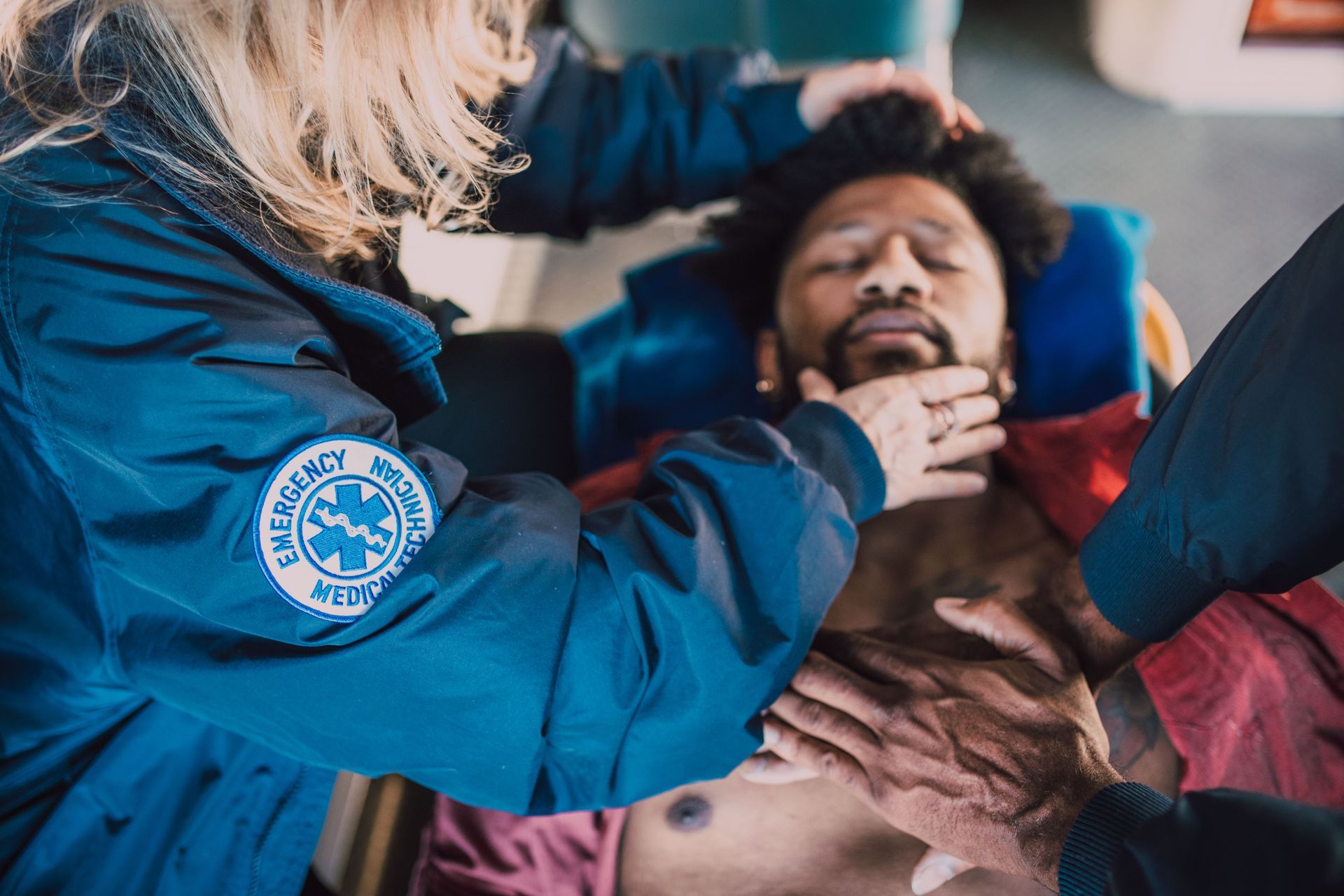
Catastrophic injuries permanently alter a person's capacity to work, care for themselves, or engage in activities that defined their life before the incident, while wrongful death cases address the immeasurable loss families endure when negligence or reckless conduct causes a loved one's death. The lasting effects of traumatic brain injuries range from cognitive impairment and memory loss to personality changes and inability to perform complex tasks, while spinal cord injuries produce paralysis, loss of sensation, and dependency on assistive devices and ongoing medical care. Meeks and Cannon, P.C. represents individuals and families in Leesburg harmed by catastrophic injuries and wrongful death arising from vehicle collisions, medical errors including misdiagnosis, delayed diagnosis, surgical mistakes, medication errors, birth injuries, and failures in hospital care or treatment protocols.
These cases require documentation of both the immediate harm and the lifelong consequences through medical expert testimony, life care planning, vocational assessments, and economic analysis of lost earning capacity and future medical expenses. Representation addresses liability disputes with defendants who contest the severity of injuries, insurers who minimize long-term care needs, and opposing experts who downplay permanence of impairment.
Request a case evaluation to discuss the circumstances surrounding the catastrophic injury or loss and the legal process for pursuing compensation.
How Catastrophic Injury and Wrongful Death Claims Are Built
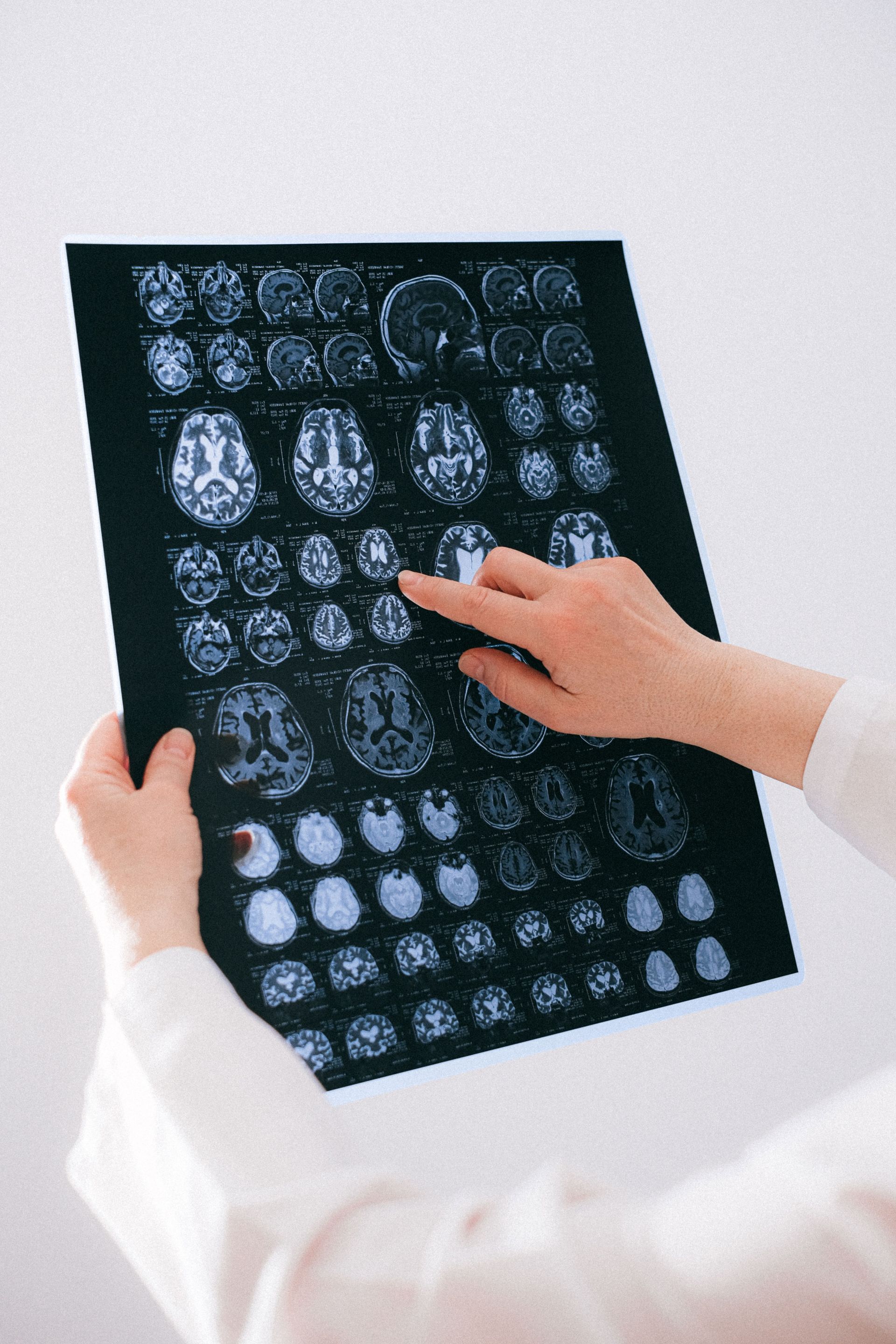
Establishing liability in medical malpractice cases requires expert testimony that the healthcare provider deviated from accepted standards of care and that the deviation directly caused the injury or death. Diagnosis errors involve failure to recognize symptoms, misinterpretation of test results, or delays in ordering necessary diagnostic imaging, leading to disease progression that could have been prevented with timely intervention. Surgical errors include wrong-site procedures, damage to surrounding organs or nerves, retained instruments, and anesthesia mistakes. Birth injury cases arise from failures to monitor fetal distress, delayed decisions to perform emergency cesarean sections, improper use of delivery instruments, and medication errors during labor.
Representation involves obtaining complete medical records, consulting with specialists in relevant fields to evaluate whether care met professional standards, and developing evidence that connects the provider's conduct to specific, measurable harm. For traumatic brain injuries and spinal cord injuries caused by vehicle collisions or other negligence, the firm works with neurologists, physiatrists, and rehabilitation specialists to document cognitive deficits, physical limitations, psychological effects, and the full scope of adaptive equipment, home modifications, and attendant care required over the injured person's lifetime.
Wrongful death claims in Georgia are brought by the decedent's estate and address both the economic value of the life lost, including future earnings and benefits the deceased would have provided, and the intrinsic value of life itself. These cases require establishment of the defendant's liability for the death and proof of damages through employment records, financial documentation, and testimony from family members about the deceased's role in the household. The firm manages complex discovery, expert depositions, and defense tactics aimed at disputing causation or minimizing the value of the claim.
Families and individuals facing life-altering injuries or the loss of a loved one through another's negligence often need clarity on how these cases proceed and what compensation addresses.
What types of damages are recoverable in traumatic brain injury cases?
Compensation includes past and future medical expenses such as hospitalization, surgery, rehabilitation, medications, and assistive technology, lost wages and diminished earning capacity due to cognitive impairment or inability to return to prior employment, costs of ongoing therapies and personal care assistance, home and vehicle modifications for accessibility, and non-economic damages for pain, suffering, and loss of life enjoyment. Life care plans prepared by medical experts project these costs over the injured person's expected lifespan.
How does the firm establish liability in medical malpractice cases involving diagnosis errors?
Representation includes obtaining all relevant medical records, consulting with board-certified physicians in the same specialty to review whether the diagnosis process followed accepted standards, and demonstrating that earlier or correct diagnosis would have led to different treatment and better outcomes. In Leesburg and surrounding areas where patients may travel to larger medical centers for specialized care, the analysis includes whether referrals were appropriately made and whether delays in transfer contributed to harm.
What makes spinal cord injury cases particularly complex from a damages perspective?
Spinal injuries produce varying levels of paralysis and loss of function depending on injury location and severity, requiring detailed medical assessment to establish permanence of impairment and future care needs. Damages calculations must account for wheelchairs and adaptive equipment replacement over decades, home modifications such as ramps and accessible bathrooms, vehicle modifications, attendant care costs, and increased risk of secondary health complications requiring ongoing medical monitoring and intervention.
Who can bring a wrongful death claim under Georgia law?
The deceased person's spouse has first priority to bring the claim. If no spouse survives, children may file. If neither spouse nor children exist, the decedent's parents may pursue the action. When no immediate family survives, the administrator of the estate may bring the claim. The law specifies this hierarchy to ensure proper parties control the litigation and recovery.
How do birth injury cases differ from other medical malpractice claims?
Birth injuries often involve failures during labor and delivery, including failure to recognize fetal distress on monitoring strips, delays in performing emergency cesarean sections when complications arise, improper use of forceps or vacuum extraction causing skull fractures or nerve damage, and medication errors affecting mother or child. These cases require obstetric and neonatal experts to evaluate whether the injury was preventable through different clinical decisions and to establish the long-term effects on the child's development and function.
Questions About Catastrophic Injury and Wrongful Death Cases
Meeks and Cannon, P.C. represents individuals and families affected by catastrophic injuries and wrongful death in Leesburg, addressing both immediate legal needs and long-term financial security. Arrange a consultation to review the circumstances of your case and begin the process of building a comprehensive claim.